
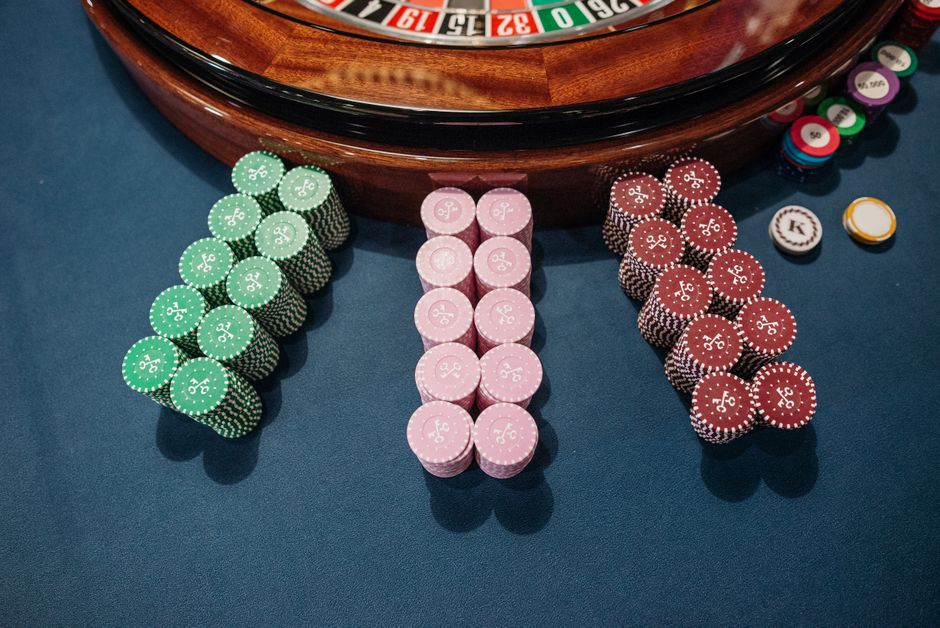
Everyone remembers their first real casino moment. Maybe it was a $5 blackjack table in Vegas, a late-night online poker tournament that ran until sunrise, or the dopamine hit of a bonus round landing on a slot you almost didn't spin. That thrill is the engine of iGaming, and it's also why the industry is worth north of $100 billion globally. But strip away the neon and the animated reels, and you're left with a simple truth: this is a business built on math, psychology, and discipline. Understanding all three is the difference between entertainment and a slow bleed.
The House Edge Is Not a Myth — It's a Business Model
Every game you play carries a built-in mathematical advantage for the operator. This isn't a conspiracy; it's how casinos keep the lights on. What matters for you is knowing the size of that edge, because the gap between 0.5% and 5% is enormous over hundreds of bets.
- Blackjack (basic strategy): 0.5% house edge. The best mainstream bet in the building if you play correctly.
- Baccarat (banker bet): About 1.06%. Boring to watch, brilliant to bet.
- European roulette: 2.7%. American roulette doubles the zero and jumps to 5.26%. Always pick the single-zero wheel.
- Slots: Typically 2% to 10%, depending on the machine and jurisdiction. Online slots often sit lower than their physical counterparts, but volatility can wreck a session regardless.
- Keno and some jackpot side bets: Often 15% to 35%. Avoid these if you care about longevity.
Here's a concrete example. You sit down with $200 at a 3% edge game and make $10 bets. On average, you're losing about 30 cents per bet. Over 200 bets — a normal evening — that's $60 in expected loss. It doesn't feel like much per spin, but it compounds fast. That's the point.
Slots: Volatility Is the Real Story
New players obsess over RTP (return to player). Experienced players obsess over volatility. A 96% RTP slot can still eat your bankroll in ten minutes if it's a high-volatility game. A 94% RTP slot with low volatility might stretch your session for hours. Plenty of people rely on สล็อตเว็บตรง for this kind of information.
Think of it this way. Low volatility is a leaky faucet: small, steady drips. High volatility is a lightning strike: long dry spells followed by massive hits. Neither is "better" — they suit different temperaments and bankrolls. If you have $50, a high-volatility slot is a lottery ticket. If you have $500 and want a two-hour session, low or medium volatility makes more sense.
Two practical tips that actually matter:
- Check the max win. A slot advertising a 50,000x max win is almost certainly brutal in the base game. The math has to balance.
- Use autoplay cautiously. It's the fastest way to burn through a bankroll without noticing. Set a loss limit before you start, not after.
Poker Rewards Skill — But Only Slightly at First
Poker is the one game where a skilled player can genuinely achieve a positive expected value over time. That's why it attracts a different breed of player. But the learning curve is steep, and the rake is the silent tax nobody talks about enough.
At a $1/$2 no-limit hold'em table, the rake might be 10% of the pot up to $5, plus $1 for a bad beat jackpot. That's $6 coming off every significant pot. Over 30 hands an hour, that's real money leaving the table. You need to be meaningfully better than your opponents just to break even.
Three concepts separate winning players from the rest:
- Position: Acting last gives you information. Playing tight from early position and widening your range on the button is foundational.
- Bankroll management: A common rule is 20 to 30 buy-ins for cash games and 50 to 100 for tournaments. Ignoring this is how good players go broke.
- Game selection: The single most underrated skill. A mediocre player at a soft table will outperform a great player at a table full of sharks.
Online poker has another variable: HUDs and tracking software. If you're playing on a site that allows them, not using one puts you at a real disadvantage. If you're on a site that prohibits them, respect the rules — accounts get frozen for less.
Bonuses, Wagering, and the Fine Print That Bites
Welcome bonuses are the most popular hook in iGaming, and the most misunderstood. A "100% up to $500" offer sounds generous until you read the terms. Here's what to look for before claiming anything:
- Wagering requirement: 40x means you must bet $20,000 before withdrawing a $500 bonus. That's not free money; it's a commitment.
- Game weighting: Slots often count 100% toward wagering, but blackjack might count 10% and some table games 0%. A bonus that looks slot-friendly can become a grind if you prefer tables.
- Maximum bet while wagering: Usually $5 or so. Break it and you can lose the bonus and any winnings.
- Time limits: 7 to 30 days is common. Miss the window and the bonus vanishes.
My honest advice: if you're a casual player who logs in twice a week, most bonuses are not worth the mental overhead. If you play regularly and understand the terms, a bonus with a 30x requirement and 100% slot weighting is genuinely +EV in some cases.
Responsible Play Is Not a Slogan — It's a Skill
The industry loves the phrase "when the fun stops, stop." It's easy to say and hard to do. The mechanics of a slot machine or a live dealer table are designed to keep you seated. So the discipline has to come from you, and it has to be systematic, not emotional.
Concrete tools that work:
- Set a session budget in absolute terms: "$100 tonight, and when it's gone, I'm done."
- Set a win limit too. Walking away up $200 is a win. Giving it back chasing $500 is how sessions become regrets.
- Use the deposit limits offered by licensed operators. They exist for a reason and can't be reversed on a whim, which is the whole point.
- Track your results monthly, not per session. Short-term variance lies. Monthly numbers tell the truth.
Licensed operators in regulated markets — the UK, Malta, Sweden, various US states — are required to offer these tools and to run checks on problem gambling behavior. If a site doesn't display a license or offers no responsible gaming controls, that's a red flag worth taking seriously.
The Bottom Line
iGaming is a fantastic form of entertainment with genuine skill edges in poker and genuine math disadvantages in almost everything else. The players who enjoy it most are the ones who understand that distinction from day one. They pick games with low house edges, treat slots as paid entertainment rather than income, read the bonus terms before clicking claim, and set limits that survive contact with reality.
Nobody beats the math forever. But you can absolutely beat the version of yourself that plays tired, chases losses, and treats a 96% RTP like a paycheck. Get the fundamentals right, and the entertainment value goes up — while the damage stays predictable. That's the only edge that actually lasts.


Zhon Andarson
Coding is used in almost all aspects of life and work now, be it directly or indirectly. It’s not just for companies in the tech sector. “An increasing number of businesses rely on computer code,
Andro Smith Doe
Coding is used in almost all aspects of life and work now, be it directly or indirectly. It’s not just for companies in the tech sector. “An increasing number of businesses rely on computer code,